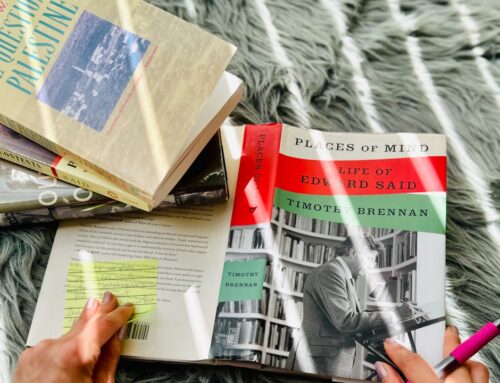
Many years later, as he faced the firing squad, Colonel Aureliano Buendía was to remember that distant afternoon when his father took him to discover ice. At that time Macondo was a village of twenty adobe houses built on the bank of a river of clearwater that ran along a bed of polished stones, which were white and enormous, like prehistoric eggs. The world was so recent that many things lacked names, and in order to indicate them, it was necessary to point. One Hundred Years of Solitude
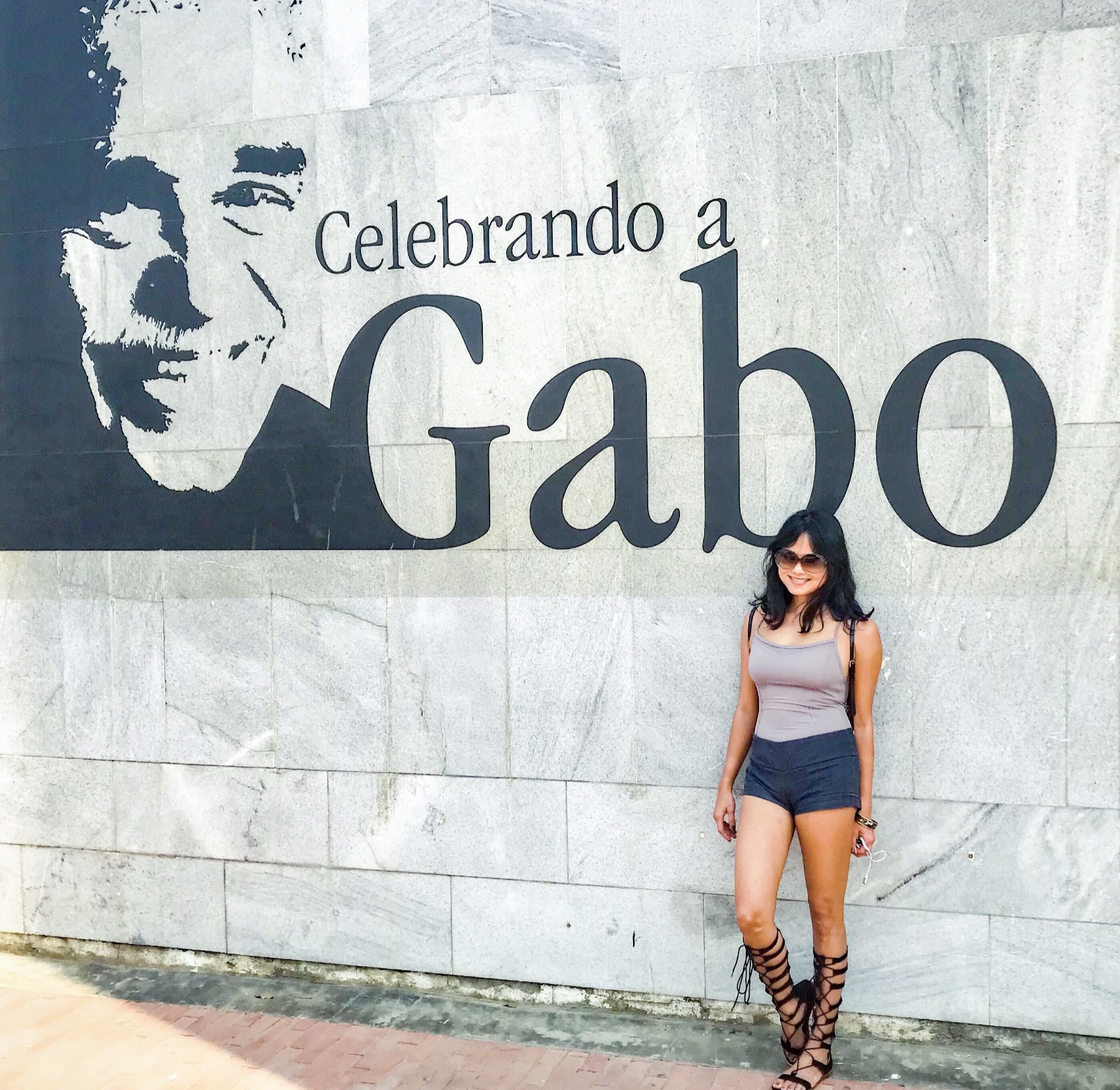
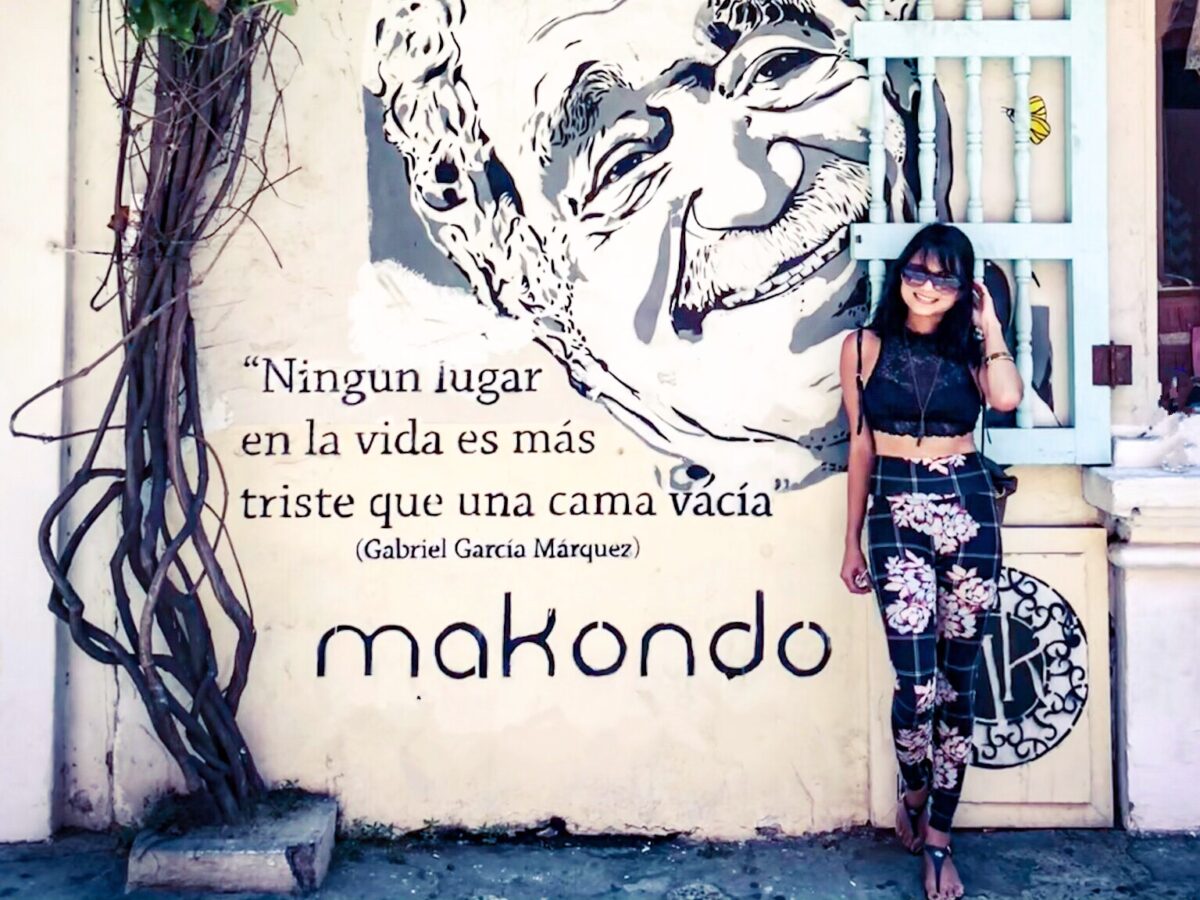
These famous first lines have captured imaginations the world over. Macondo – named after a banana plantation Gabriel Garcia Márquez and his family would pass by on trains to Aracataca – is surreal and beautiful and I have dreamed about it ever since I first read the book when I was 19. Mostly inspired by his childhood in Aracataca (at the entrance is a river), Macondo really encompasses Colombia’s Caribbean, the Rio Magdalena, and down to Sucre, places where his vagabond father travelled through settling and unsettling his family.
Even with the confusion of too many Aureliano’s and José Arcadia’s, I fell in love with all these characters set apart by their loneliness. Like Rebecca the mysterious orphan daughter who eats the earth with equal amounts of pleasure and rage, scooping it into her pockets in secret (a character inspired by his sister Margot), and later living all alone until completely forgotten by the entire town; and José Arcadio Buendia, the great patriarch (inspired by García Márquez’s own grandfather) whose constant curiosity and quest for knowledge drives him so mad he has to spend the end of his life tied to a tree.

Views of Santa Marta and the Cathedral
Today, co-incidentally García Márquez’s birthday and Ash Wednesday, I walked past the Santa Marta Cathedral this morning and saw men with the crosses of repentance on their foreheads. Yes, just like the 17 Aureliano sons who – unlike the rest of the family – couldn’t wipe them off, and are hunted down later on with that indelible mark. After that no Buendía ever let the priest mark them again with the cross. Seeing this on the faces of strangers is as haunting to me as my memory of the 17 assassinations in the book.
(García Márquez’s grandfather had fathered children out of wedlock when he was a soldier. And before he was born, his parents were married in this same Cathedral, the first built in South America and where Simón Bolívar would later be buried.)
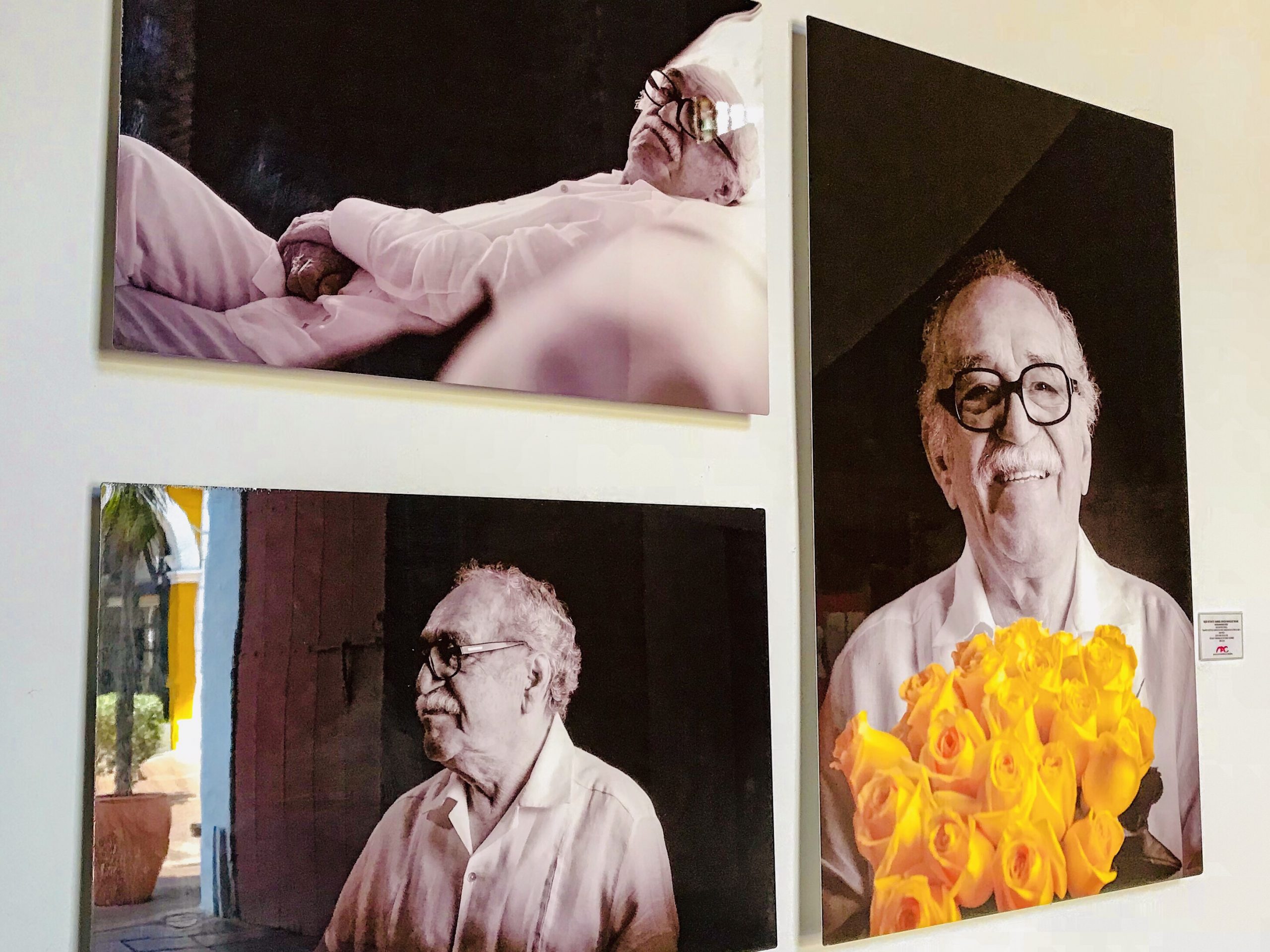
Photos of Márquez at a local museum
Then there’s Rebecca the Beauty coveted and unaware, until one day, as she is hanging the sheets to dry, she is swept away and disappears forever – inspired by the real story of a girl in town who was sent away by her parents after getting pregnant, telling the neighbors she has risen to heaven in soul and body, like the Virgin Mary.
And the fourth-generation José Arcadio Segundo who leads the strikes against the foreign banana companies and becomes the sole survivor of a massacre no one will believe happened (inspired by the Banana Massacre of 1928, the year after Garcia Márquez was born, where the striking workers were machine-gunned and an estimated 3,000 died). José Arcadio then locks himself in his great grandfather’s study that contains the scrolls a gypsie left behind, trying to decipher them (unsuccessfully like the Buendía’s before him), while preserving the memory of the massacre all alone.
But of course my favorite character is Melquíades, the journeyed gypsie who brings science and new inventions to Macondo every year he passes by. When he is old, he decides to stay at the Buendía house and becomes the first person to die in Macondo (there is a grave in Aracataca dedicated to him). But before dying he writes in his native Sanskrit prophecies on parchment, saying they will only be revealed after a hundred years.
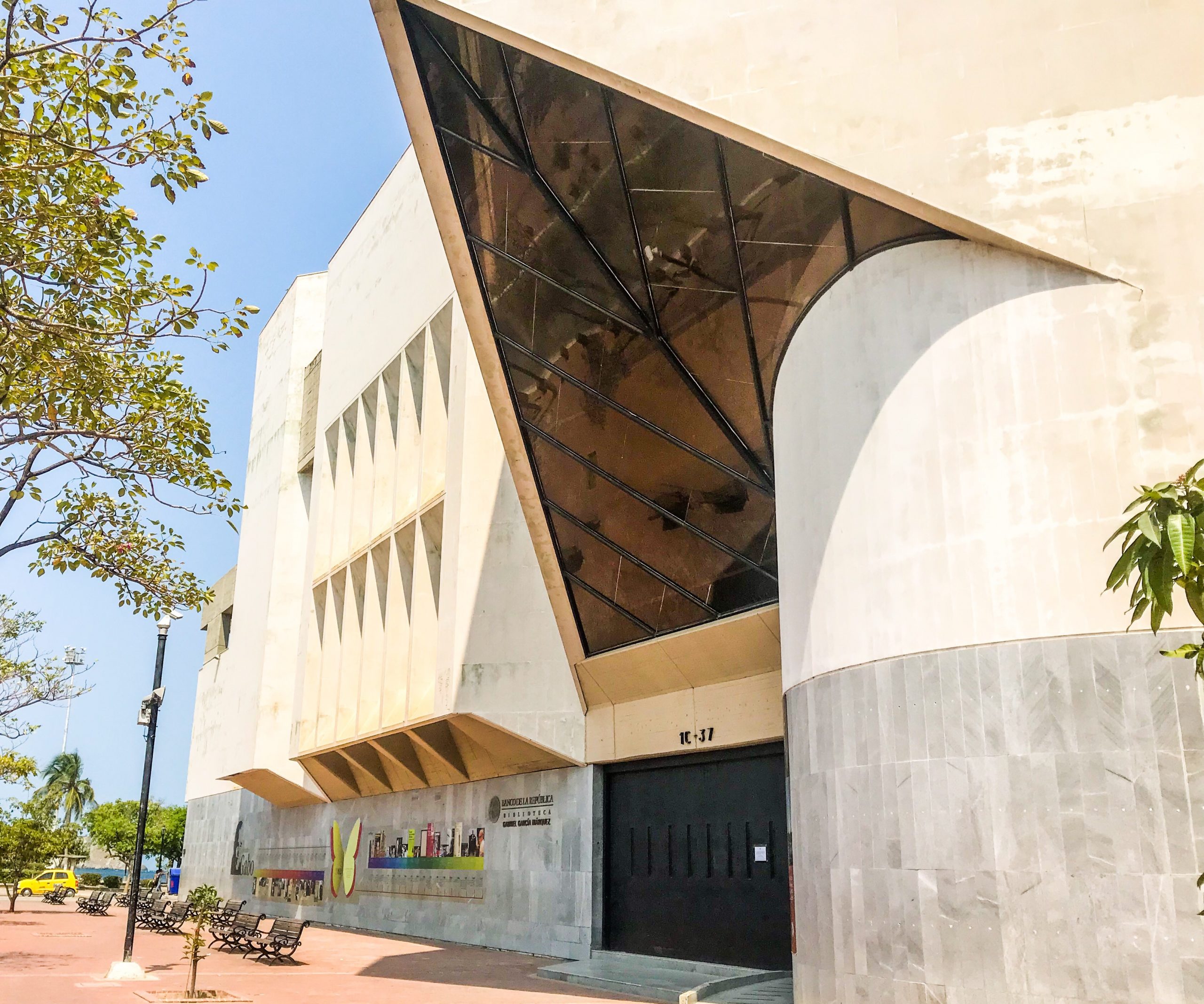
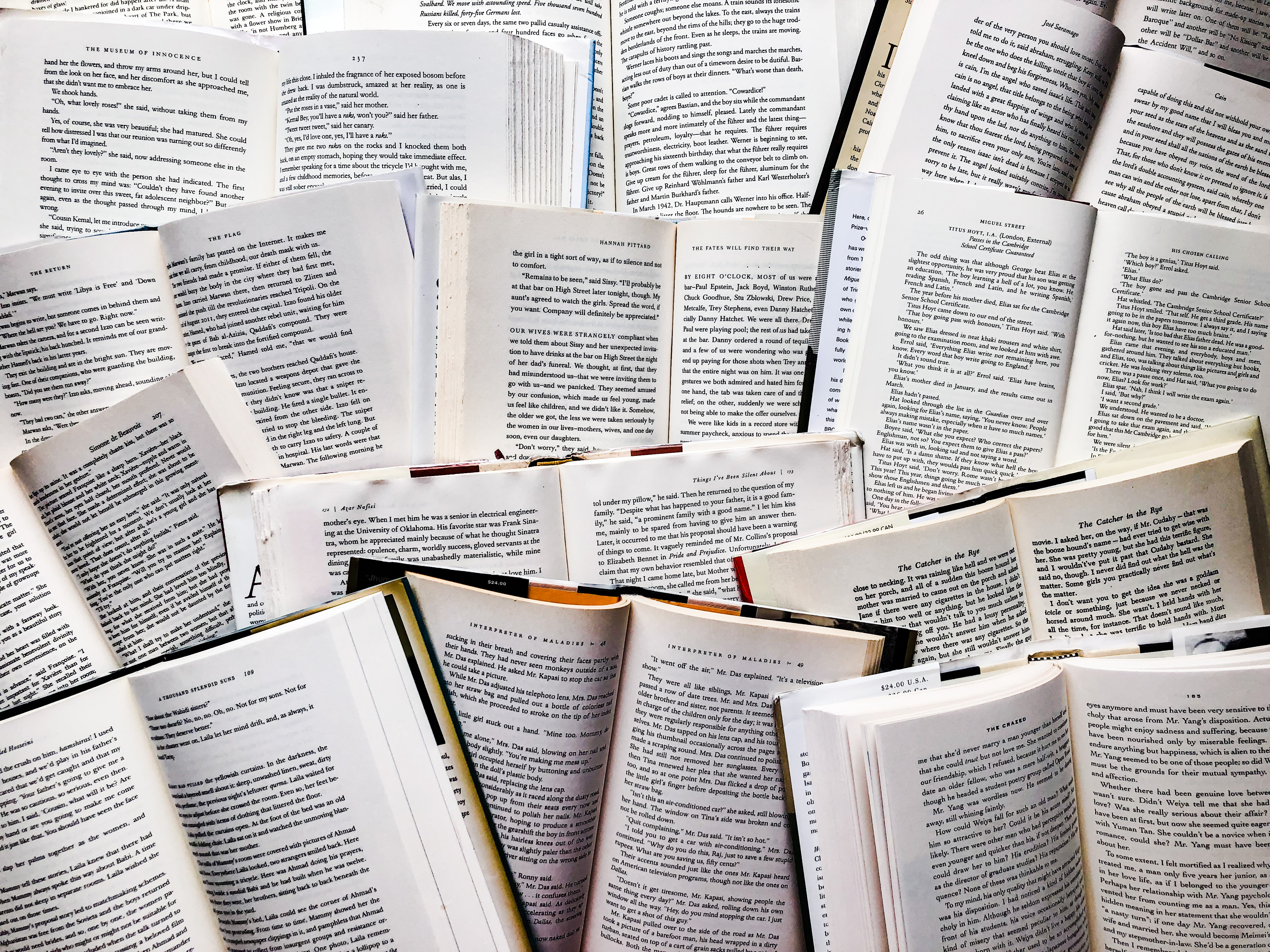
The Márquez Library
And so on the 100th year, it is the sixth and last-generation Aureliano the Scholar who finally deciphers them. As he reads, a hurricane sweeps the entire town away, the scrolls crumble in his hands, and everything disappears.
It is the book we are reading that he is reading. The scrolls are the story of Macondo and the Buendía family foretold.
“Macondo is not a place but a state of mind that allows one to see what one wants to see and how.”